
When people think about enhancing or improving their car’s overall performance, they often immediately imagine a series of upgrades such as installing new parts, tuning the engine, or making costly and extensive modifications. However, the reality is that most vehicles already come equipped with everything necessary to perform at a high level. The true difference in performance usually comes down to how well the car is maintained, carefully monitored, and properly managed throughout its entire lifespan.
“Performance isn’t built in a day, it’s maintained every day.”
Performance Is a System, Not a Fix
Your car’s overall performance and reliability depend on the seamless integration of many components working together. Engine health, tire condition, fluid levels, and daily driving habits all significantly influence how well your vehicle operates. Neglecting any one of these factors can adversely affect both the performance and lifespan of your car.
Performance issues often develop gradually. You might not notice the decline right away, but over time, efficiency decreases, responsiveness slows, and costs rise.

Consistency Over Intensity
You don’t need to do more you need to be consistent.
Regular oil changes, maintaining proper tire pressure, and scheduling timely inspections may seem simple, but they are essential for optimal performance. Neglecting these basic tasks not only lowers efficiency but also speeds up wear and causes more serious issues over time.
Small actions, repeated over time, create the biggest impact.
The Hidden Impact of Neglect
A slightly underinflated tire.
A delayed oil change.
A minor warning light ignored.
Individually, they don’t seem urgent. But together, they quietly reduce your car’s performance, increase fuel consumption, and shorten its lifespan.
Optimization isn’t about reacting to problems—it’s about preventing them before they exist.
Driving Habits Matter More Than You Think
Performance isn’t only about the car, it’s about the driver.
Aggressive acceleration, hard braking, and inconsistent speeds all put unnecessary strain on your vehicle. On the other hand, smoother driving improves fuel efficiency, reduces wear, and keeps your car running at its best.
Optimizing performance starts behind the wheel.
Clarity Leads to Better Decisions
You can’t optimize what you don’t track.
Knowing when your last service was done, how often you spend on repairs, or when your next maintenance is due gives you a clear picture of your vehicle’s condition. Without that visibility, decisions become reactive instead of strategic.
When you have the data, you don’t guess, you act with confidence.
A Smarter Approach to Performance
Modern tools make optimization effortless.
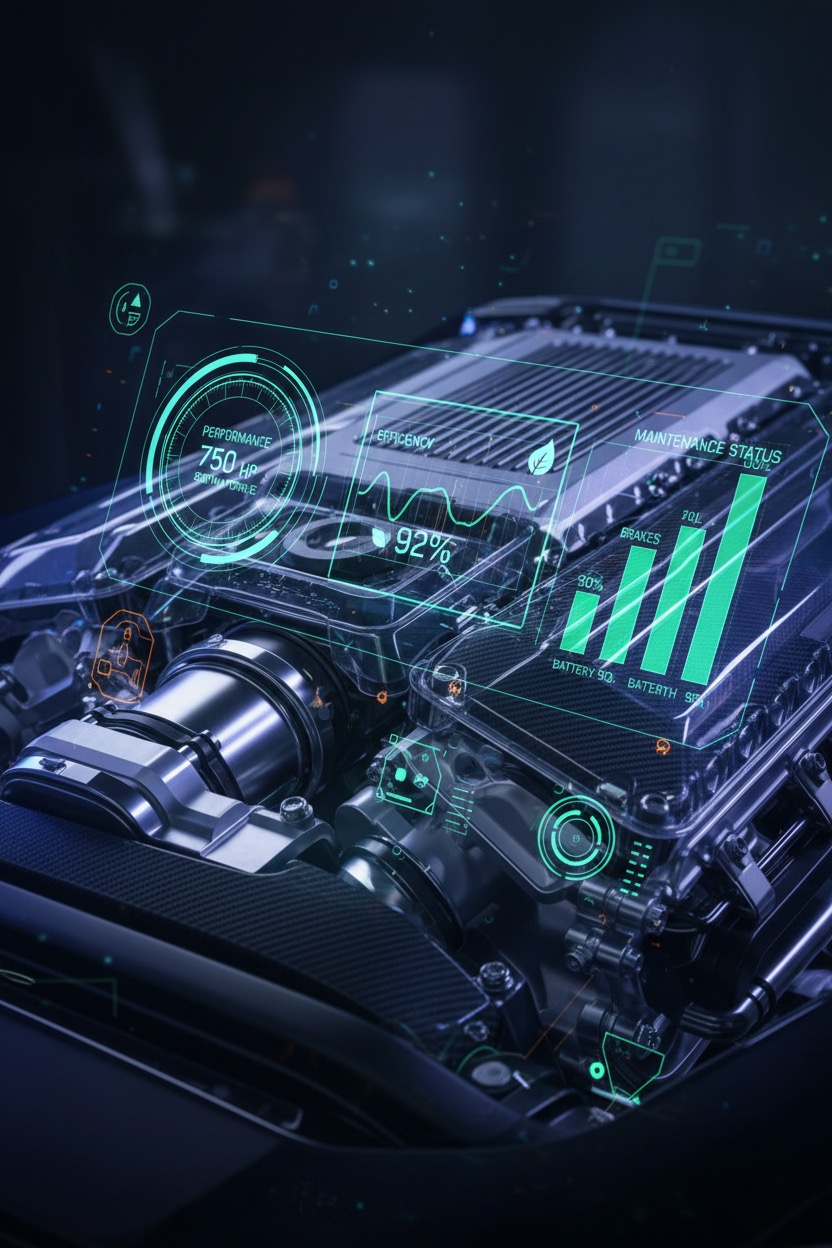
Rather than depending on memory or scattered notes, you can track everything in one place: maintenance, expenses, reminders, and insights. This helps you stay ahead of potential problems, maintain consistency, and keep your vehicle running smoothly with minimal effort.
Performance Is Maintained, Not Achieved
True performance is not something that can be achieved through occasional fixes or rare interventions. It is built steadily over time through daily awareness and intelligent, consistent management. By combining regular, thorough maintenance with improved driving habits and a clear, informed understanding of your vehicle’s specific needs, you unlock a level of lasting, dependable performance that stands the test of time. Ultimately, the best-performing car isn’t necessarily the one with the most modifications or upgrades, it is the one that is cared for with the greatest attention and commitment every single day. 🚗